
There are fundamental aspects of kids sport that must be considered when the seasonal sport changeover occurs. These include the environment, social interaction and enjoyment, the exercise volume and skill development.
ENVIRONMENT
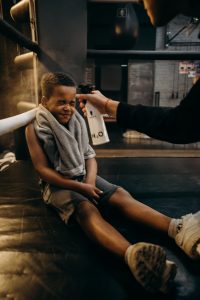 The environment in Australia is extreme and needs to be considered when undertaking
exercise, particularly in summer. Australian children participate in less physical activity during the summer months compared to winter. This is partly explained by most outdoor team sports such as AFL, soccer, netball and hockey are winter sports. When exercising during summer, children should have plenty of water and additional rest breaks to reduce the risk of heat related injuries.
PSYCHOLOGY
The psychology behind children’s engagement in exercise is important for their development. Having fun is the main reason children like to participate in sport which increases excitement and can prolong involvement in exercise. Participating in sports with friends and peers is critical to developing social skills at a young age. Kids can experience isolation and psychosocial problems without this engagement.
VOLUME
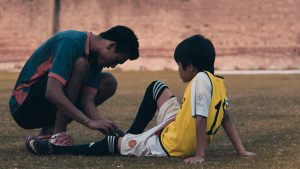
Children participating in both summer and winter sports need to carefully manage their exercise load. Children and adolescents bones grow quicker than their muscles which puts pressure on the unsealed growth plates and joints. Children’s bones are also weaker than their ligaments and tendons which increases the risk of fractures. The most common overuse injuries seen in children are Sever’s disease, Osgood Schlatter disease and Jumper’s knee. Flexibility, coordination and balance may decrease during the growth years which can further increase the risk of injury. The volumes of exercise and the rehabilitation in youth sports requires careful management to minimise the risk of injury. You can read more about overuse injuries here.
SKILL ACQUISITION
More children are specialising in a single sport which restricts their ability to develop new skills. This pressure often comes from parents, coaches and society. One of the goals of youth sport is to learn and practice fundamental skills in a fun and active environment. This development of gross motor skills increases the likelihood of continuing participation into adulthood. However, parents should carefully match their children’s readiness for a sport with their skill level. A difference can increase stress and anxiety and result in the child not wanting to engage in exercise.
For more information on the seasonal sport changeover for kids, please don’t hesitate to book in with a Pivotal Motion kids physiotherapist to help you plan and manage for your children’s sport. Call the Physiotherapist Newmarket turns to for their experience and service today on 07 3352 5116 or book online.