
Kids working out in the gym
The term ‘kids’ applies to any child under 18. This age range covers a vast range of skill, ability and experience. We can break down the age groups from 0-7, 8-12 and 13-18.
Kids Aged 0-7
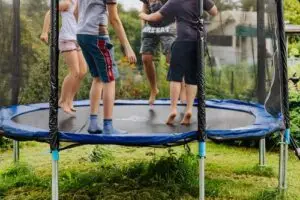
Fine and gross motor skills are first being developed in this age bracket. Fine motor skills include writing and drawing, tying shoelaces, doing up zips and buttons, eating and personal hygiene. Everyday activities like getting changed and ready for bed develop fine motor skills. Gross motor skills include jumping, kicking, running, climbing and throwing. Gameplay is a great way to develop these skills. Games such as soccer, freeze ball, the-floor -is-lava and king of the log are some examples.
Kids Aged 8-12
The first time kids should enter the gym should depend on a few factors. They need to be physically ready, be able to follow instructions and learn safe exercise techniques. This usually coincides with the ages of 8-12 year olds. Group classes can incorporate game play to slowly progress into the gym environment. Becoming familiar with the equipment and how things work in the gym is important so that children are confident during exercise.
Exercises for this age group should utilise some gym equipment while also being fun. These can be exercises such as step ups, crab walks, push ups, planks and squat jumps.
However, it can be difficult to get kids in the gym due to a lack of interest, time restraints, inexperience or cost. Finding a balance that works for the child is important while considering external factors such as school and other sports.
Kids Aged 13-18
Strength and coordination have improved when children reach the age of 13. Big compound lifts such as deadlifts, squats and bench press can begin to commence if they haven’t already. It is important that there is adult supervision to minimise the risk of injury due to the complexity of these lifts.
This age bracket is also when sport-specific training often commences. Shoulder and core strength may be targeted for volleyball and netball, hamstring and ankle strengthening for soccer or
School aged kids and above should be getting at least one hour of moderate to vigorous exercise every day. Safely performing exercise in the gym can be a great way to reach this target while improving fitness levels, bone mineral density, coordination and muscle mass to name a few.
If you think your child is ready to start resistance training in a gym, or would like more information on this topic, don’t hesitate to book in and see our friendly team of Exercise Physiologists or your local Physiotherapist at Pivotal Motion. Call us on 07 3352 5116 or book online today!