
This article is educational and is not personal medical advice. Pain, injury and rehabilitation are individual. A Pivotal Motion physiotherapist can assess your specific symptoms and recommend treatment. To book a consultation, visit pivotalmotion.physio or call (07) 3352 5116.
Disclosure: This post contains affiliate links. As an Amazon Associate, Pivotal Motion Education earns from qualifying purchases. There is no additional cost to you. See our Affiliate Disclosure.
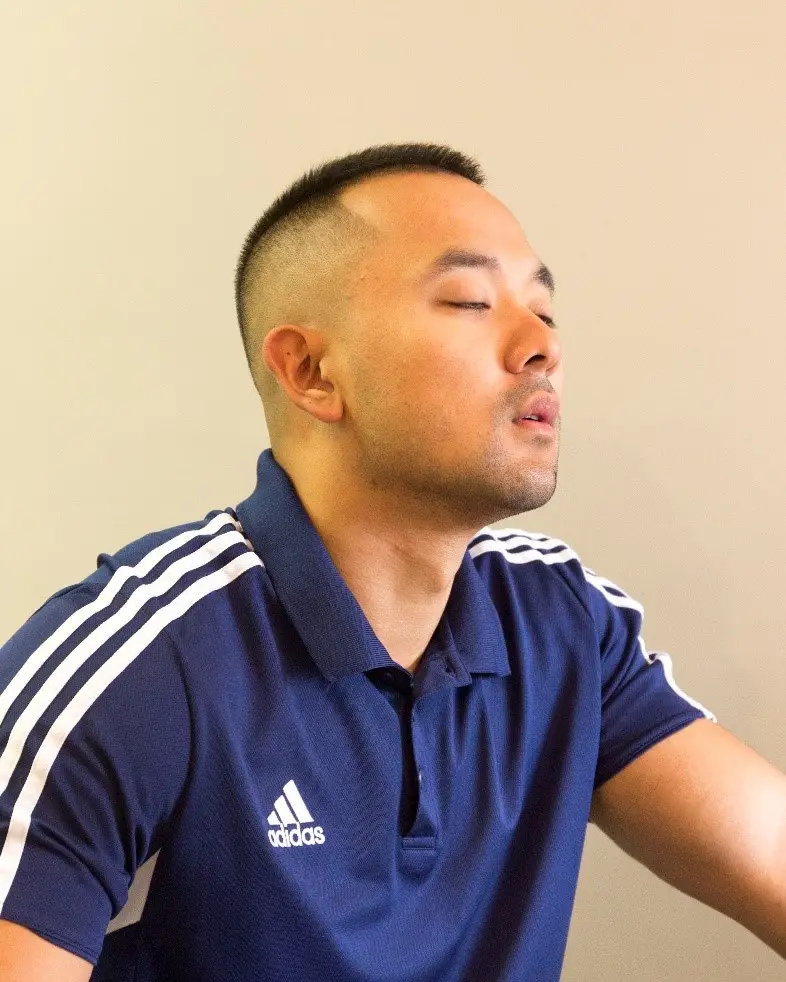
Trying to stay awake at work?
Here at Pivotal Motion, our physio Butch (right) understands that sometimes your eyelids just won’t stay up. So, we’ve constructed a list of our favourite 5 exercises which won’t just keep you awake, but can also improve productivity.
When we’re tired, exercise is the last thing we want to do. However, regular physical activity won’t only help improve day-to-day function and decrease fatigue, but also has significant acute, positive benefits – improving energy levels, focus and even imagination.
Walking
Now this is a very complex exercise, but walking has incredible benefits and is achievable in most workplace settings.If you end up standing or shifting your weight more through the day, the cheapest change our physiotherapists often suggest first is a basic anti-fatigue mat underfoot, which makes standing for a few minutes feel less like a chore. It is easy to break up long periods of sitting with a short walk to the printer, break room or around the office and this small task can vastly improve mental acuity and reduce fatigue.
If possible, as part of a lunch break, try an go for a walk outside as this will allow further benefits due to the fresh air and exposure to bright sunlight which both improve focus and energy.
Star Jumps
These may turn you into the office clown, but if you have limited time and can’t get away from your desk, star jumps (jumping jacks) are a great way to get the blood flowing and feel better.
Do 20 star jumps when your energy is low to improve blood flow to your muscles and brain, get a bit breathless and reap the rewards of being reinvigorated and re-inspired.
Sit-to-Stand (Chair) or Air Squats
For a more subtle energy boost, some chair or air squats can provide that much needed endorphin hit to wake you back up.
If you are an exercise veteran than air squats are the way to go, with 20+ a great way to refocus. For those less accustomed to physical activity you can use you chair as a guide. Sit back onto the cushion of the chair and when you feel it touch stand back up. Start with 10 and you can always do more repetitions if needed.
Desk Push-Ups
If you have an upper body preference, desk (or normal) push-ups are a great way to get a quick pump, both mental and physical.
Start with your hands just outside shoulder-width apart and, keeping our back straight, lower yourself until your chest nearly touches the desk. Push back up maintaining a nice, straight back. Once again, two to three sets of ten repetitions can help refresh you. If you’re more advanced, increase repetitions to get a better, more effective energy boost.
Stretching
 Spending hours and hours in front of a computer screen can be a real
pain. Maintaining poor or rigid postures will tighten up muscles; creating discomfort, tension or trigger points which make us feel stiff, sore and exhausted. Whilst technically not an exercise, stretching can be very beneficial to help relieve pain, loosen muscles and thereby improve our cognitive function by releasing pressure and allowing us to refocus.A lot of that tightness comes from looking down at a screen all day, so it is worth raising the screen: a simple monitor or laptop riser to bring the display closer to eye level is a cheap, set-and-forget fix. If you want to go further than the free fixes, a mid-range standing-desk converter that sits on your existing desk lets you alternate between sitting and standing.
Stretches such as a torso twist, shoulder shrugs or a salute-to-the-sun can be great to relieve pressure through the torso and upper back, or if you have a specific muscle group which is tight stretch out for 15-20 seconds once or twice to help reinvigorate your work.
If you are after more tips and tricks to avoiding the tired eyes at work, the team at Pivotal Motion would love to hear from you. Located in North Brisbane, contact our exercise physiotherapy clinic on 07 3352 5116 or book online.