
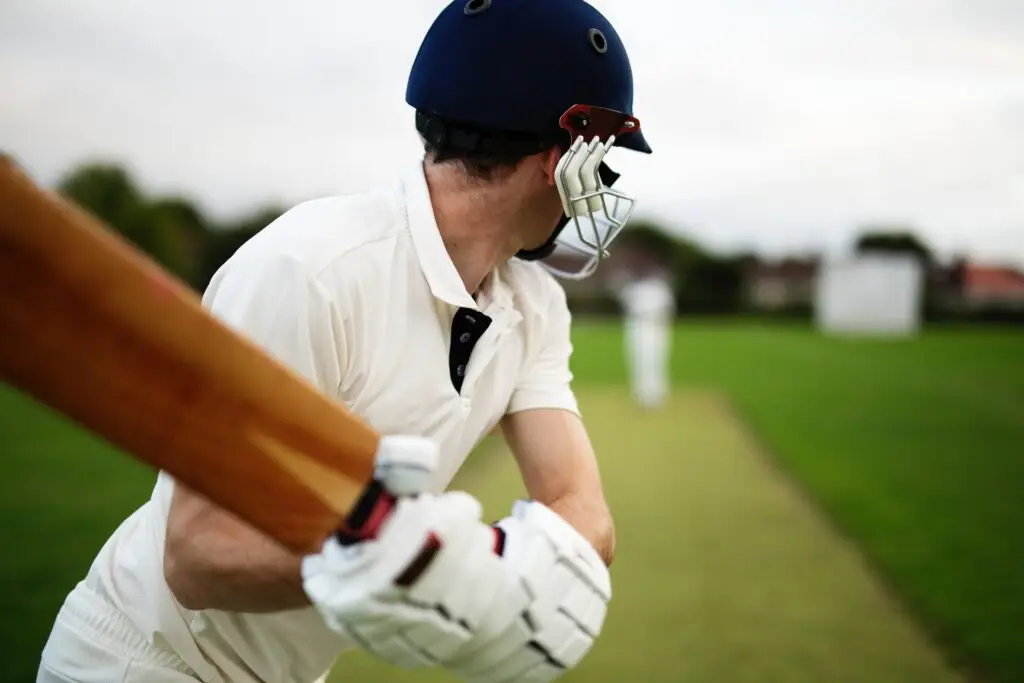
To get the shoulder ready for common summer sports like cricket and baseball, it is important address the all-important shoulder blade or scapula. The scapula forms the base of the upper limb and stability in this area dictates how the upper limb functions. When there is a deficit scapular stability, there is resultant altered biomechanics of the shoulder joint. This predisposes the shoulder to injuries such as rotator cuff strains and subacromial bursitis/impingement. Poor scapula stabiliser strength has been linked to increased risk of rotator cuff compression, decreased neuromuscular performance of the shoulder and increased stress to the anterior shoulder capsule. An injury to the shoulder could potentially result in a long period of time off sport.
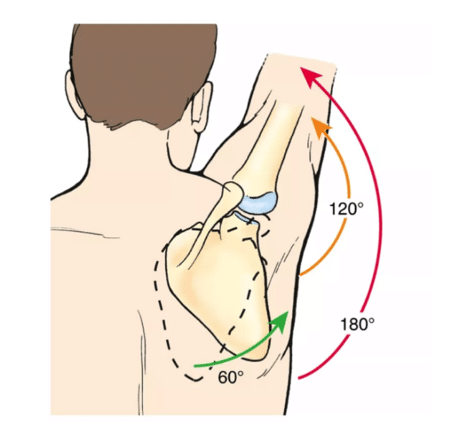
Scapulohumeral rhythm is a term that describes the harmonious interaction of the shoulder blade and shoulder joint during movement. This interaction is vital for optimal function of the shoulder joint. Poor scapular stability leads to poor positioning of the scapula and altered scapulohumeral rhythm. The muscles which stabilise the shoulder blade include: the trapezius (particularly the lower traps), serratus anterior, levator scapulae and the rhomboids.
For our baseballers and cricketers, throwing is a highly prominent aspect of their sport. Not only is throwing frequent for these athletes, but it is also high-velocity. It follows that poor scapula stability coupled with frequent throwing could lead to serious shoulder injury. Therefore, we recommend incorporating scapula stability exercises as part of an exercise programme to prepare the shoulder for the sporting season.
Some exercises proven to help with scapular stability (Paine & Voight, 2013)
Low Grade
- Low row theraband isometric holds
- Theraband lat pull down isometric holds
- Robbery pinches on a swiss ball
- Low row wall isometrics
High Grade
- Theraband Sequence:
- Upright row
- Dynamic hug
- Cocking/deceleration (eccentric internal rotation)
- Cocking/acceleration (eccentric external rotation)
- Bilateral D2 pattern
- Bilateral pull over
- Seated Pike lift
- Swiss ball push ups
- Swiss ball bear crawl
It is imperative that you do not progress your scapula stability exercises too quickly, as this area requires very specific and slow strengthening. It will take time, but your chances of injury are minimised! If you have any further queries regarding scapula stability and the role of the scapula in upper limb movement, book in to see one of our physiotherapists today.