
Concussion prevention – is it possible? A concussion describes an injury occurring to the head where trauma has occurred specifically to the brain. It can be defined as a complex pathophysiological process induced by external forces affecting the brain.
Following this blow, it’s common that consciousness may be altered. This can range from light to extremely severe based on a number of variables.
Concussion commonly affects memory. Causing either inhibition of the individual from remembering events post-injury (anterograde amnesia). Alternatively may inhibit the individual from remembering events prior to the injury (retrograde amnesia).
Common features and presentations from a concussion?
- Concussion can be caused by direct and even indirect contact to the head, neck or trunk which then transmits an impulsive force to the head
- A concussion often presents with a quick onset of short-term neurological impairments that usually resolve spontaneously
- Concussion is more associated with a functional disturbance to the nervous system rather than a structural injury. This makes it hard to see and diagnosis when compared with a structural injury such as a broken arm. This is why it’s important to check in with a physio or health profession if you think you might be suffering from concussion
- A loss of consciousness doesn’t always occur with concussion. As such, losing consciousness is not a measure of severity when trying to assess for concussion.
Is it possible to prevent a concussion?
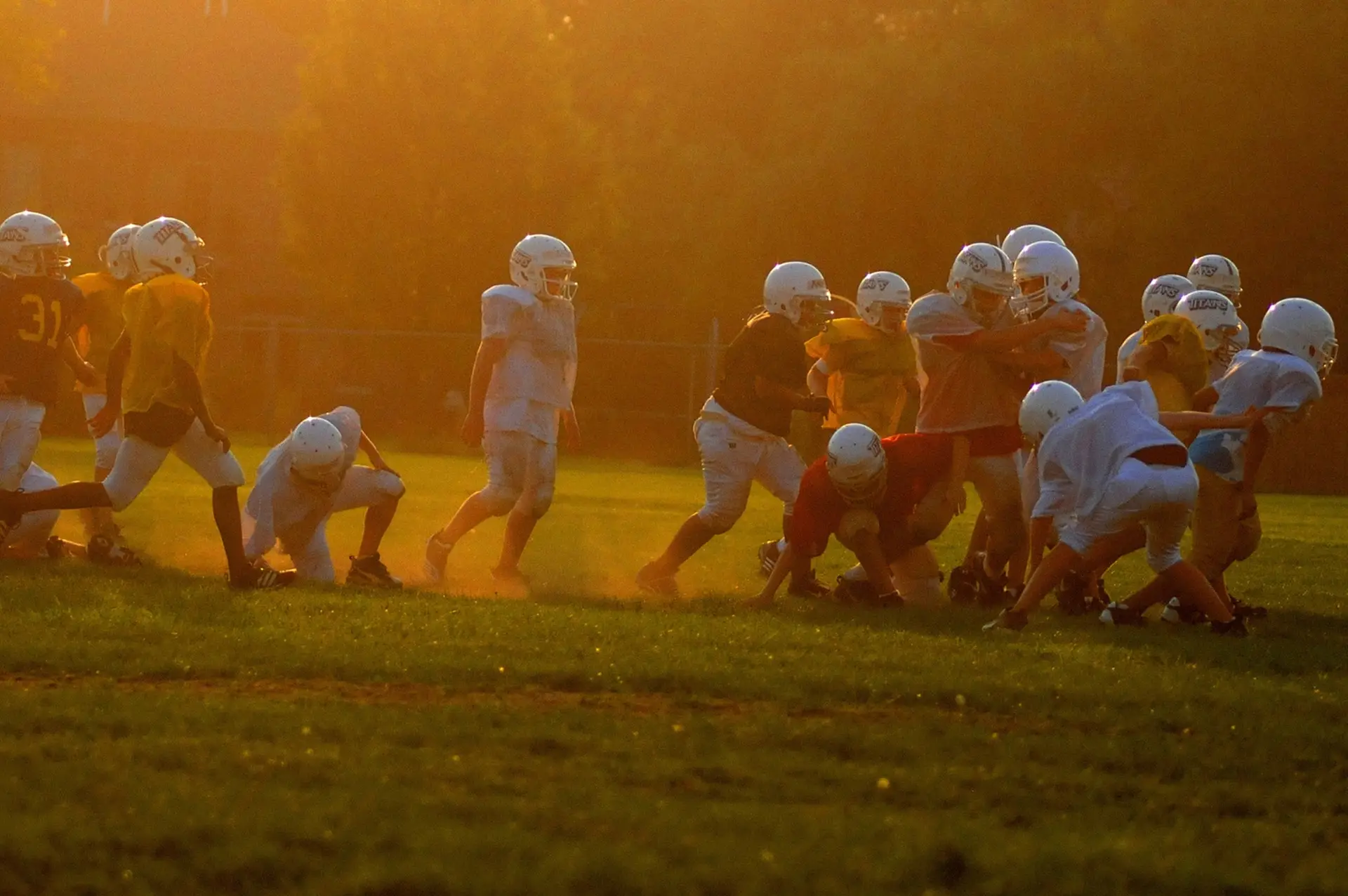
Headgear is marketed as a protective piece of equipment to prevent sporting injuries. Research shows however, that headgear is more specific to minor head wounds and direct trauma to the skull itself.
Current research has shown in rugby cohorts that wearing headgear poses no decrease in concussion injuries compared with no headgear. This is not to say that wearing headgear has no benefits. There are psychosocial factors, such as increased confidence and a sense of safety can certainly benefit.
The reason why headgear does not prevent concussion is based on the mechanism in which concussion occurs. An impulsive force applied to the head that creates a sharp change in direction of the head or whiplash motion. This can cause bouncing the brain off the hard-boney surface of the skull.
If you get a concussion, what is the best management techniques?
When it comes to the management of concussion, it’s always important to seek the assistance of a health professional, in the form of a physiotherapist or a doctor. It’s also important to treat concussion as you would treat a structural injury. Just because you can’t see the damage, doesn’t mean it’s not there. So like any injury, take time to rest and avoid stressful situations such as work, schooling, or challenging thoughts.
If you would like to learn more about concussion and concussion prevention, or think you might be suffering from concussion