
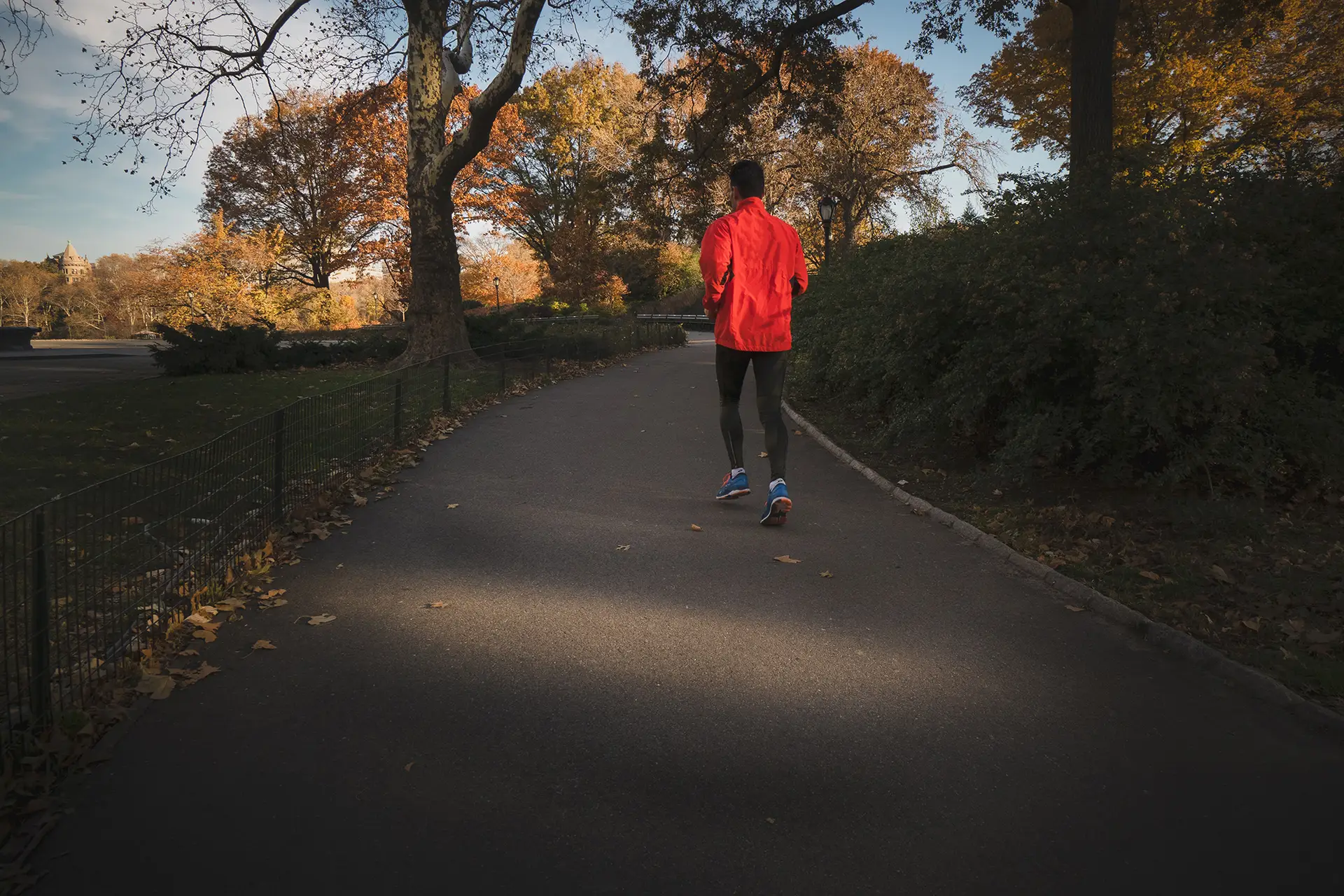
Running is a great form of exercise! It improves your cardiovascular fitness, can be done almost anywhere and really works up a sweat. However, any exercise comes with a risk of injury and running injuries in particular can be serious. Shin splints, runners knee and stress fractures are some, just to name a few. Here at Pivotal Motion we are all about early prevention, so here are some tips and tricks to allow you to keep on running!
Stretching is your new best friend. There are two types of stretching: static and dynamic. Static stretching involves holding a muscle in position for approximately 30 seconds without moving. The aim of these stretches is to decrease tension, promote flexibility and reduce the risk of pulls and strains. Static stretches for running:
Calf Stretches
Running forces you onto the balls of your feet which can create strain on your calf muscles. Do do this stretch, lean forward with one leg as if to do a lunge, holding onto your outstretched knee. You should feel your other leg pull right along the calf. Switch legs and repeat.
Hamstring Stretch
A simple hamstring stretch is easily achieved by reach down to touch your toes slowly. Focus on the feeling of your muscles stretching and relaxing as you hold and release for 15-30 seconds.
Quad Stretch
Your quads provide the horsepower for your running, so it’s very important to stretch them out. Balance on one leg while pulling your other foot behind your bum. You should feel the stretch engage with those muscles.
Dynamic stretches make you limber whilst also activating major muscles groups. They also help you wake up in the morning!
Leg Swings
Whilst holding onto a pole, tree or wall, swing your leg forwards and backwards. It helps you to gain flexibility in your hamstrings and hip flexors. Switch legs with 10 reps per leg.
Mountain Climbers
This exercise is sure to raise your heart rate ready for a run. Get into the plank position and bring your legs forwards and backwards while your hands stay stationary on the ground. This loosens your glute muscles and improves flexibility.
We wrote an article earlier this year which explores more stretches to incorporate into your routine. Have a read!
Comparatively, strength training is also brilliant for improving your running. Improving muscle correlates to increased structural support, power and reduced risk of injury.
Squats
Big butts and I cannot lie! Squats are awesome to add an extra bit of bounce into your running style. Glutes are often neglected by runners, but they are your primary source of power. They also give a strong foundation to truly generate speed. Start with your feet shoulder width apart and sink deep at the hips as though you’re sitting down. Focusing on engaging your glutes to push your body up and down.
Lunges
Lunges target both your glutes, quads and calf muscles, so they are perfect for building strength in your lower leg muscles. Step forward, so one knee almost touches the ground but not quite, switch to the other leg, allowing for a burning workout that is sure to show improvements.
Calf Raises
Calf raises build muscle, increase ankle stability, prevent injuries and improve power and speed in runners. This exercise works best when standing on the edge of a step and resting your hands on a wall for balance. Raise your heels, feeling your calves stretch in the process. Hold for a second before relaxing. Repeat a few times.
Book an appointment with our team today! We have appointments available to assist you reach your fitness goals! Alternatively, if you have an injury, we will assist you get you back on track.