
We don’t have to have Hulk strength to be providing our bodies with the most benefit. Yes, being extremely strong may be the goal for some, but general strength training for muscle health should be incorporated into your exercise routine. Strength is a muscles ability to withstand force. You require strength to open a jar, or a door, so yes, having strength is critical!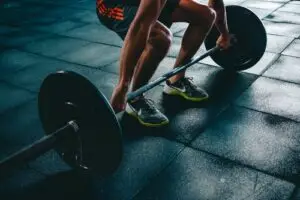
Working on your full body muscle strength can make day to day tasks feel easier by improving your ability to move. They also improve bone and muscle health, and decrease your risk of falls. For athletes, increased speed and power results from strength training. It improves athletic performance and muscle endurance with the appropriate strength and conditioning prescription and training regime.
Resistance training is the term used when resistance is used to place a muscle under load to increase strength. Examples of resistance training includes using free weights, push / pull equipment at the gym, and functional exercises. Functional exercises such as weighted squats and lunges are very handy. The American College of Sports Medicine recommends that resistance training sessions should be undertaken 2-3 times per week. You should include 8-10 exercises for 8-12 repetitions for each to improve strength (as a guide). You should also have a good progressive loading program in place.
The bottom line is that incorporating resistance training to improve strength in your routine will reduce your risk of some diseases, improve quality of life and reduce mortality. You don’t need to dedicate your life to strength training to experience the benefits.
If you’re looking to improve your strength and maximise your quality of life, book for an appointment with our Brisbane Exercise Physiologist here at Pivotal Motion. Contact us today by calling 07 3352 5116, emailing admin@pivotalmotion.com.au or by booking today!