
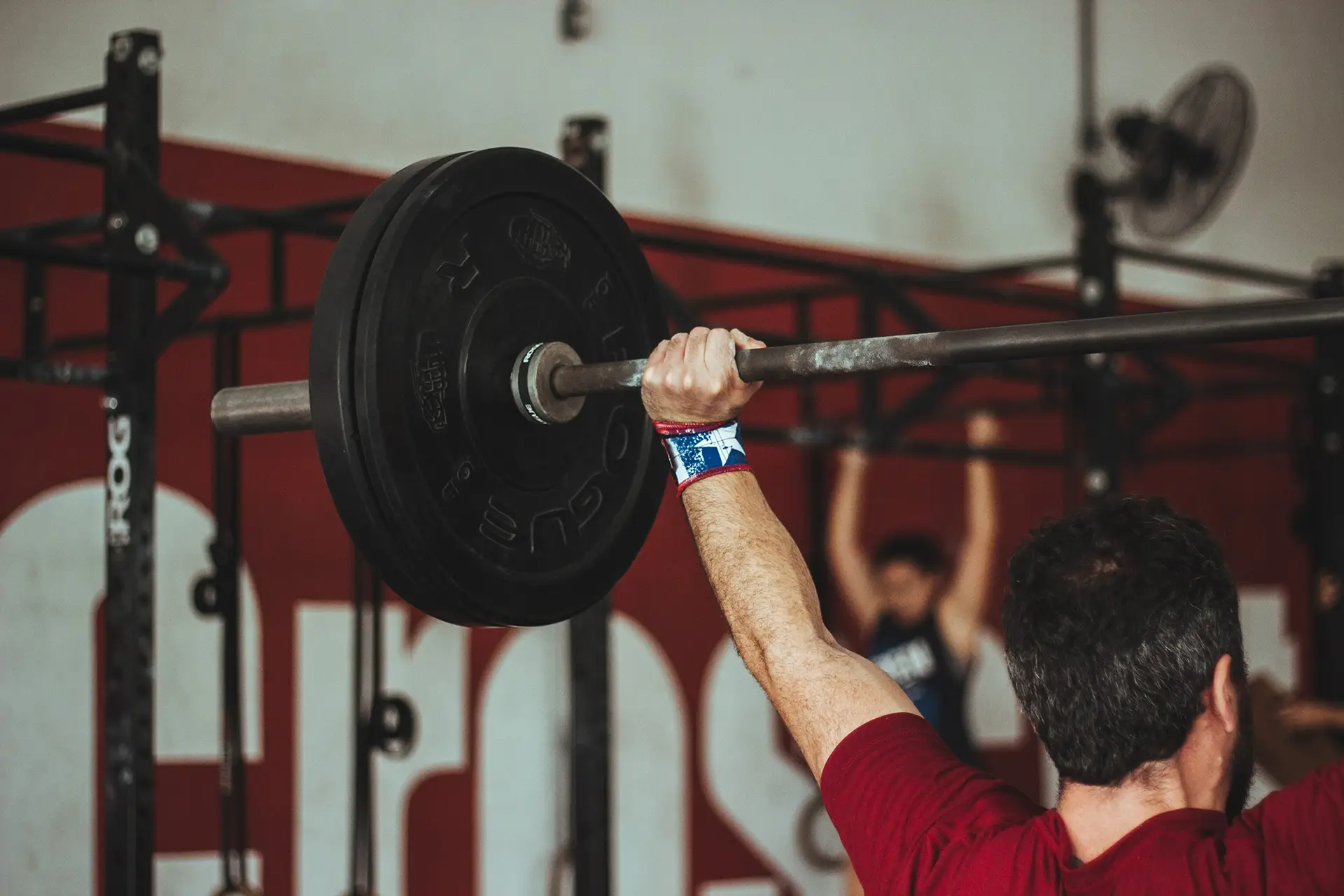
Progressive overload is one of the key principles when it comes to exercise and rehabilitation. The principle infers a challenge must be present in order for adaptation to occur. A physio’s role is centered around strengthening and stabilizing injured body parts, which is why this is important. This can’t occur without progressive overload as the physio needs to continually challenge the patient to ensure the tissue changes. This is the key factor preventing the injury from occurring again. Continue reading to learn more about progressive overload training.
Aristotle and Milo of Croton
A great illustration of this principle comes from the Greek philosopher Aristotle and his story of Milo of Croton. As a child, Milo would carry a calf on his shoulders, which over time would grow and increase in weight. Subsequently, this would increase the stress placed on Milo. This increase in stress was matched by the progressive increase in Milo’s strength, as each day the calf was only marginally heavier. As Milo entered adulthood, he was capable of carrying a full-grown cow on his shoulders. This gradual, continuous increase in stress allowed Milo to continue to develop his strength.
In practice, progressive overload is not linear and there becomes a point of diminishing returns (less bang for your buck). However, the story of Milo underpins the principle of progressive overload nicely. As there is a gradual increase in stress on the body, it responds to be able to withstand more stress. Therefore to continue to progress, the stress must also increase gradually.
How We Can Help
There’s no doubting that selection is extremely important when it comes to a progressive overload training program. If there is not enough of a challenge present in the program, there will simply be no change as the stimulus (the training) has failed to establish worthwhile adaptations. The opposite also presents a problem, if the challenge greatly exceeds the capacity of the individual, not only will they not progress, but they drastically increase the likelihood of injury.
This is where a physio can help guide and tailor training programs to ensure that the changes made are not only safe but will still challenge the individual in establishing positive adaptations in the body.
There are multiple ways to progressively overload an exercise or training program. Increasing weight or load and increasing volume (the number of sets and reps) are good ways to do this. Furthermore, changing up the motor control of the task or even decreasing rest duration between sets can also help progressive overload. These are all factors that your physio can help monitor and change in accordance with the goals of the patient. This can maximize their recovery time and optimize performance.
If you would like to learn more about sedentary behaviour, or how best to limit it, come and discuss it with our team at Pivotal Motion Physiotherapy. With a wealth of knowledge and a friendly smile, we will happily get you back on track.