
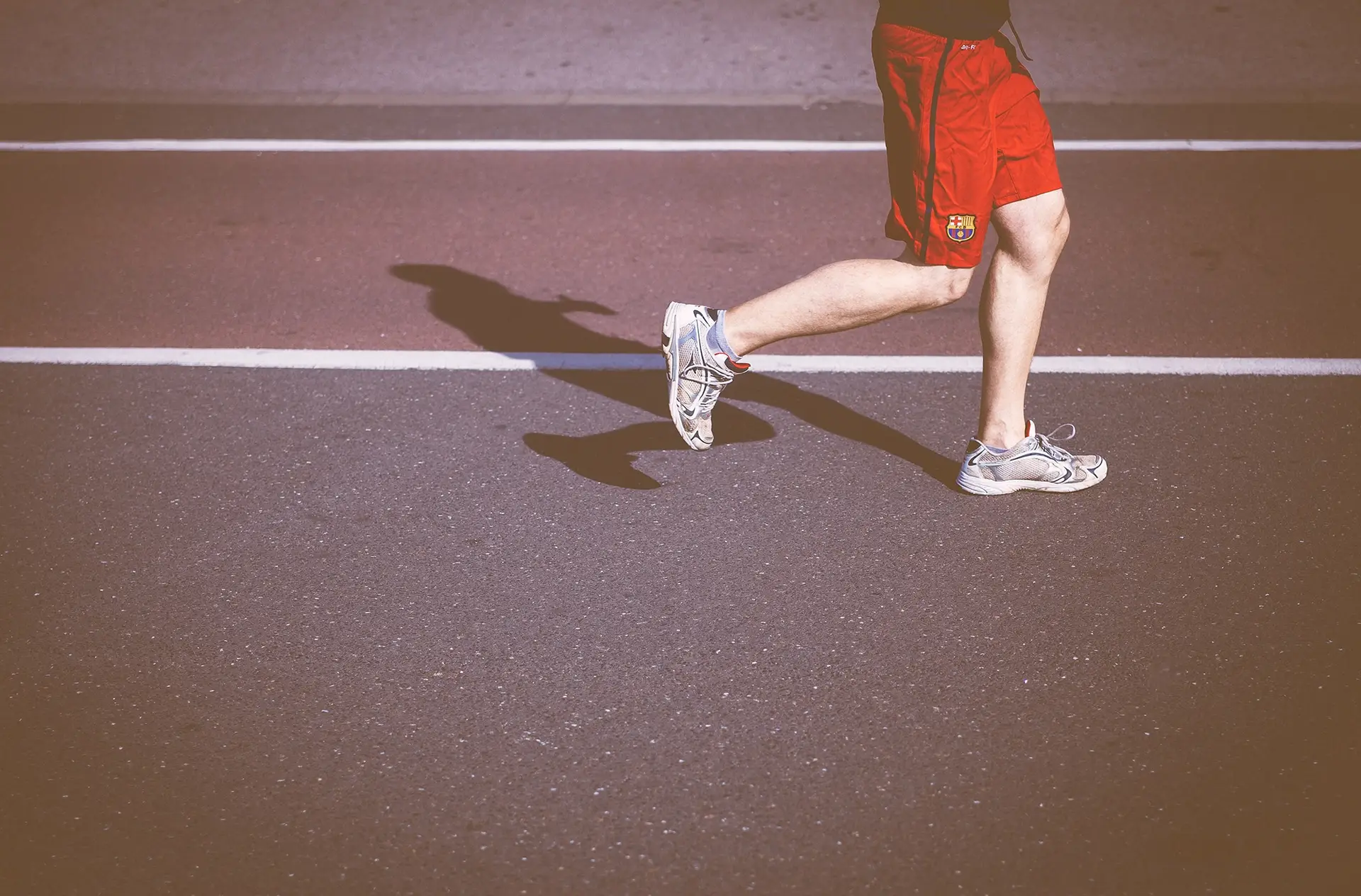
Patella femoral pain syndrome, or more commonly known as “runners knee” is a very serious condition that can occur in many people, regardless of physical activity level. It is common in young adults, females and those who participate in a lot of sports. Issues with knee cap alignment and general overuse of the knee are contributing factors as well.
What is patellofemoral pain syndrome? Your knee is one of the largest and most complicated joints of the body. The femur (thigh bone), the tibia (shin bone) and patella (knee cap) all make up the knee joint. Four ligaments keep the knee attached to the bone and are a strong supporting structure. Tendons connect the quadriceps muscles to the knee cap and shin. These structures allow you to move, jump and exercise with ease. Patellofemoral pain syndrome occurs when nerves sense pain in the tissues surrounding the bone and kneecap. This pain is a result of the kneecap gliding outside of the bone groove, causing rubbing against the thigh bone.
Symptoms of patellofemoral pain syndrome include pain during functional activities. This can include stairs, squats, kneeling, hopping or running where the knee becomes painful. This is usually a gradual condition which happens overtime. Activities with running, jumping, landing or squatting positions are prime causes of these aching knee caps. Sitting in a chair for a considerable part of the day creates a sustained knee bend, which can also correlate to this syndrome.
How we can we help with Patella Femoral Pain Syndrome?
As your knee is integral to sporting and daily activities, our Pivotal Motion physiotherapists are here to assist you with your rehabilitation journey. Proprioception is your awareness of the position and movement of body parts. Studies show that patellofemoral pain syndrome can impact proprioception . Proprioception can be improved through balance activities such as a single leg stance or the single leg squat. Your joint movement response is detected by the nervous system and will report back to your brain. Repetitive balance exercises can fine tune this response to perfect your proprioception.
Using a foam roller is also a great way to rehabilitate the knee as weak or tight muscles can lead to patellofemoral pain syndrome. We stock the foam rollers here in the Pivotal Motion clinic. Using your body weight to roll the foam roller across your leg muscles can assist with moving the knee cap to its original track and reduce pain. The muscle will relax after about 60 seconds of rolling on each leg. It also helps to improve your flexibility by unlocking your hips and releasing muscle tightness.
We are here to guide you through patella femoral pain syndrome rehabilitation and individualise exercises and training to your physical needs. Get in touch with physio Brisbane team on (07) 3352 5116 or make an appointment online today, and we’ll help you get back on track.