
Peri-tendinitis of a tendon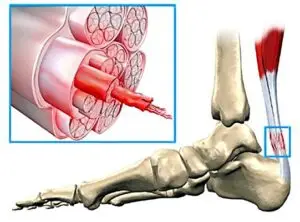
Peri-tendinitis is an inflammation of the sheath that surrounds a tendon. It can also be associated with tendinitis which is an inflammation of the tendon itself.
Peri-tendinitis is common in repetitive strain injuries or overuse injuries. Athletes who don’t have sufficient rest between training or athletes who train to heavy may suffer from inflammation.
One of the best treatments for recovery is to rest the affected area and if needed reduce the load with the use of crutches. Allowing the tendon to heal itself. Treatment such as remedial massage and icing will also help relieve the swelling.
Peri-Tendinitis & the tendon sheath
The tendon sheath acts like a protective cover that wraps itself over the tendon itself. The two main functions of the tendon sheath is to protect the tendon and reduce friction with the surrounding tissue. A common tendon affected is the achilles tendon.
Therefore, when there is a swelling of the sheath it squeezes the tendon inside. This causes irritation to the tendon causing pain, reduced range of motion and sometimes the area itself may become hot and swollen.
Want to Learn More?
Interested to learn more or need help managing the pain associated with peri-tendinitis? Pivotal Motion’s Brisbane exercise physiologist team can help! Call our physiotherapy Brisbane today on 07 3352 5116 or book an appointment online for physio with an integrated approach.
Updated 17/03/2021