
Posts page - Page 35 of 37 - Pivotal Motion Education

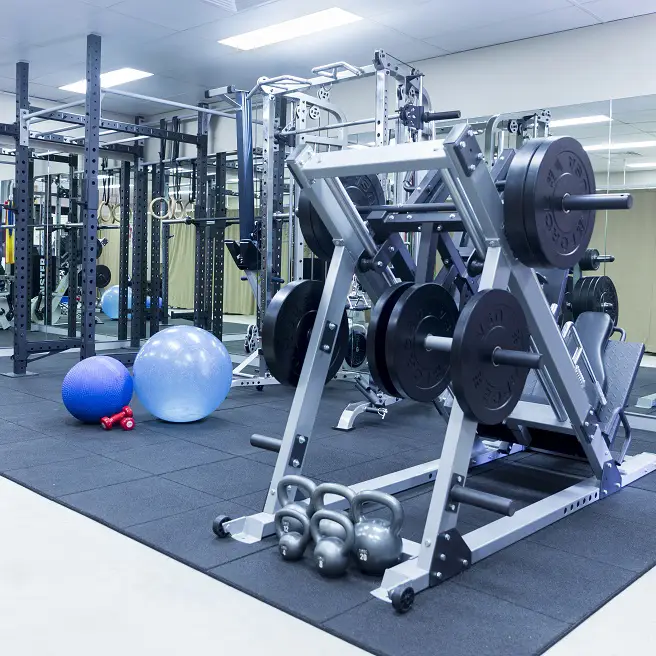
Pivotal Motion Gym Equipment | Featured image for Benefits of Seeing a Physiotherapist blog for Pivotal Motion Physiotherapy.

Benefits of Seeing a Physiotherapist

What are the benefits of seeing a physiotherapist?  A physiotherapist is trained to improve function, provide support, physical therapy, education and exercise prescription. If you are reading this, you have probably been to a physiotherapist. However, there is a lot that you may not have known about physiotherapists in general!

Read More
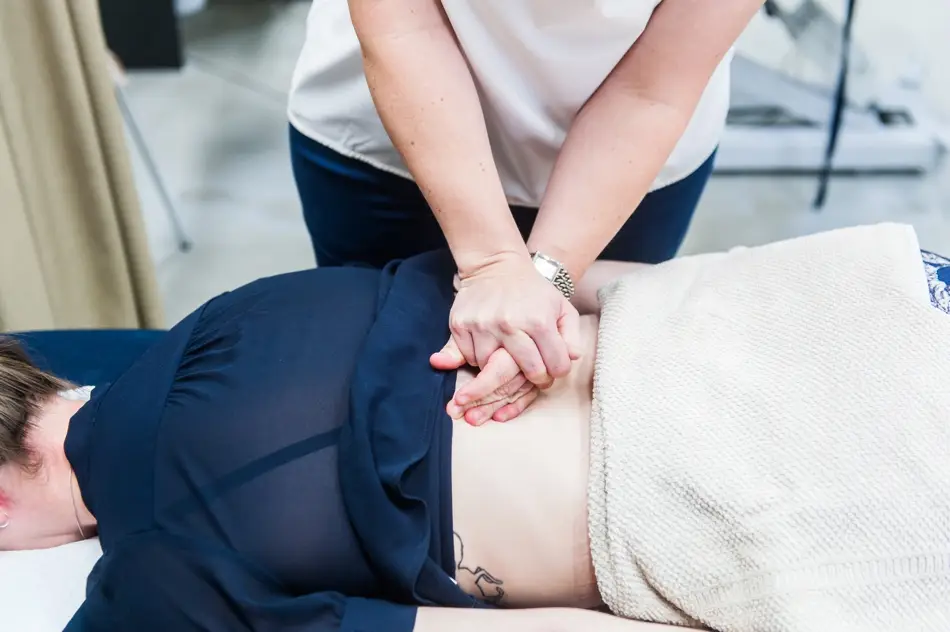
Patient receiving back treatment | featured image for Back Pain Tips blog for Pivotal Motion Physiotherapy.

Back Pain Tips – Combating Lower Back Pain

Acute low back pain can be a very debilitating condition. It is estimated that approximately 80% of Australians will experience low back pain (LBP) at some point in their lives which is why Pivotal Motion Physiotherapy wanted to share these back pain tips to help inform you about treating your

Read More
Three people running as part of their exercise routine | featured image for Regular Exercise Benefits Happy Chemicals blog for Pivotal Motion Physiotherapy.

Regular Exercise Benefits Your Mind and Body

Maintenance is my new favourite word. With the holidays coming up, it appears that we are all forgetting to look after ourselves and forgetting why regular exercise benefits us so much. I too (and bear in mind I am a physiotherapist in Brisbane!) have been guilty of not maintaining my

Read More
Kid riding bike to school | featured image for BACK TO SCHOOl! SECRETS TO A PAIN FREE EDUCATION blog.

BACK TO SCHOOL TIPS! SECRETS TO A PAIN FREE EDUCATION

The thing about the really hardworking kids in school is that it all starts to weigh them down half way through the year. I mean that literally. Their bags are just poorly fitted and are far too heavy.Continue reading to discover our back to school tips that will help your

Read More
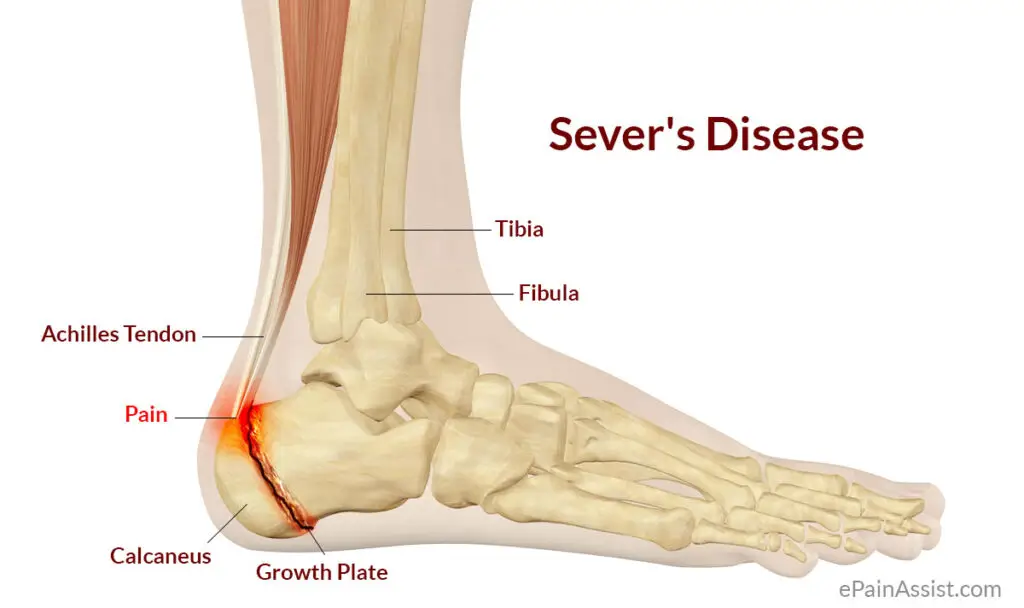
Image of foot with sever disease | Featured image for Traction Apophysitis blog.

Traction Apophysitis – Growing Pains in Kids

The bones in the human foot don’t develop completely until the late teens. Sometimes the of development can be the cause of discomfort in the growing child, especially if they are particularly active. This week our kids physiotherapy team delve into Traction Apophysitis or what are commonly known as growing

Read More
Diabetes logo with spoon of sugar | Featured image for the Diabetic Foot blog.

Diabetic Foot

DIABETES MELLITUS – THE DIABETIC FOOT The number one request for allied health professionals is to perform a diabetic check and to provide assistance for diabetic foot and health management. WHAT IS DIABETES MELLITUS? Let’s start at the beginning. Diabetes Mellitus, or diabetes, is a condition that is caused when

Read More
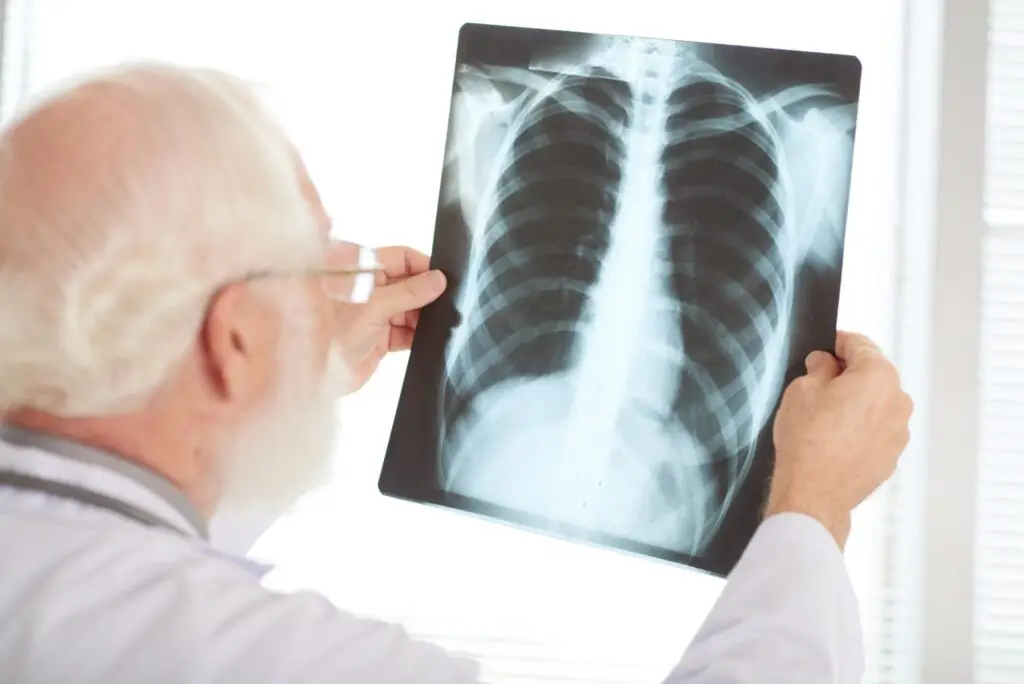
Checking x-ray | Featured Image for Broken Bones That Won’t Heal | Blog

Broken Bones That Won’t Heal

We often question about broken bones that won’t heal as well as others. Healthy bones week has prompted the staff Pivotal Motion to give some serious thought to all things bony. THE 3 PHASES OF HEALING FROM BONES FRACTURES The healing process is similar for most bones. Generally, there are

Read More
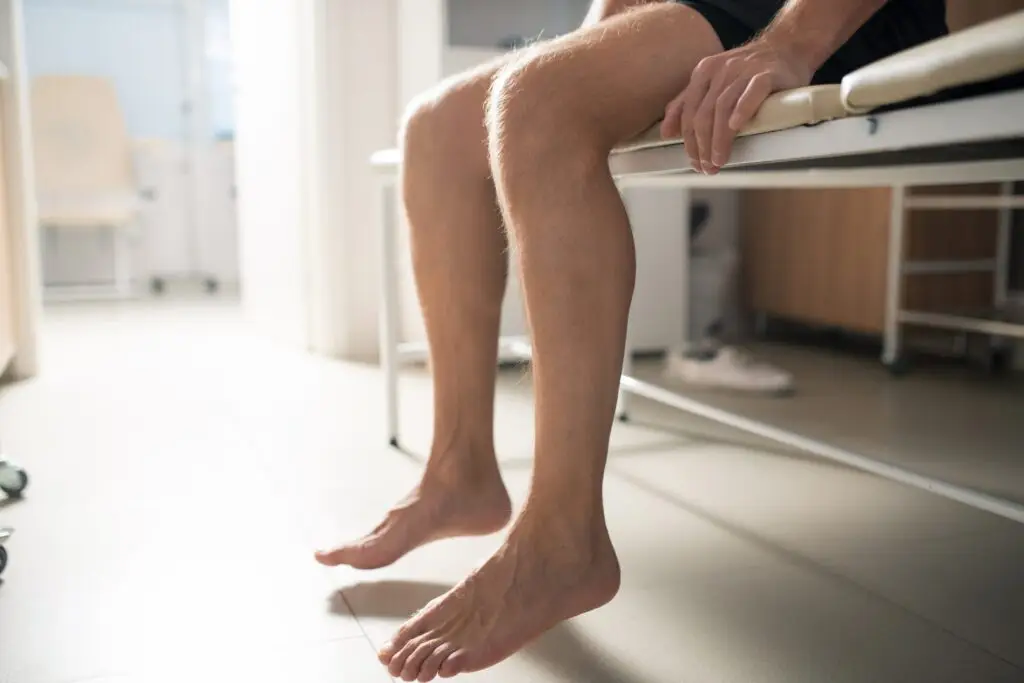
Bare legs of sick male patient sitting on couch in medical office| Featured Image for Identifying Flat Feet and Ankle Pronation | Blog

Explore Causes of Leg Length Differences

Leg length differences can be the source of many irregular issues in our bodies. Our bodies aren’t always symmetrical, there are small differences between each side that make us unique. Having one leg longer than the other is no exception. The length of your legs is just one example where

Read More
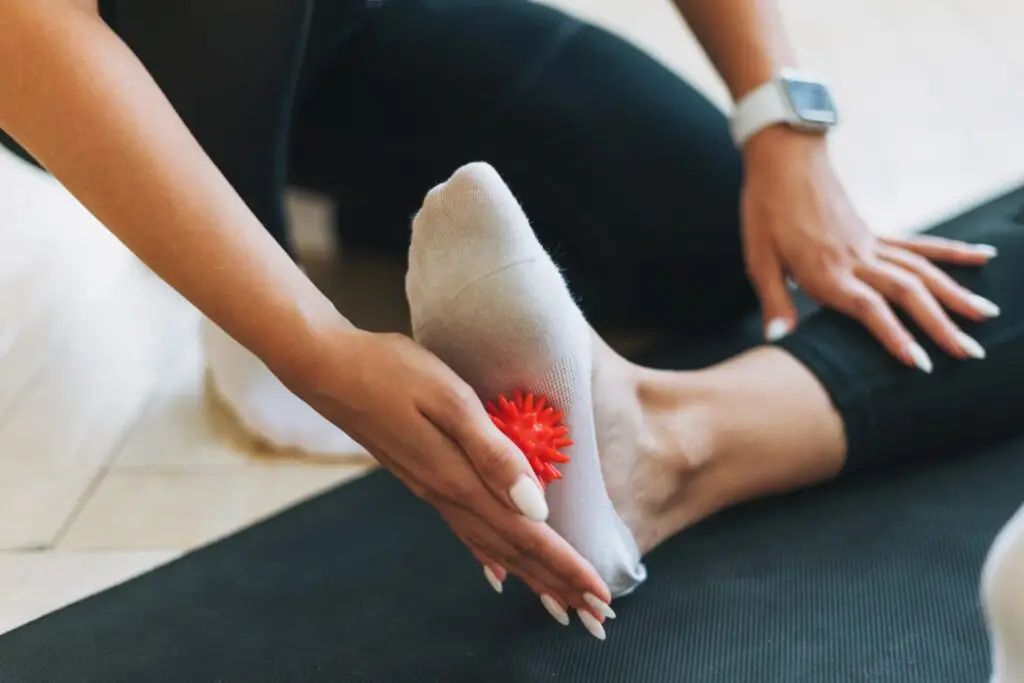
The trainer massages female feet with spiked ball, prevention of flat feet | | Featured Image for Identifying Flat Feet and Ankle Pronation | Blog

Identifying Flat Feet and Ankle Pronation

“I have flat feet!” Pes Planus is a medical term used to describe a foot that has a flattened arch. There are a number of causes for flat feet and ankle pronation these may include; Genetics: Many flat feet are due to some form of genetic predisposition. Bony Alignment: It may be

Read More