

Train Hard. Recover Harder.
When training in the gym, there’s no doubt recovery is vital to repair damage done to the body. This means you can train more consistently and get more out of the sessions, setting you up for success! Continue reading to learn more about gym recovery and how to recover correctly.
When it comes to the gym, there certainly is an idea that it’s all about break down. What this means is during the gym session, there is a certain degree of muscle damage and metabolic stress placed on the body. This is essential when it comes to progressing in the gym, but more emphasis should be placed on the recovery period post-workout to help restore some of this transient damage. And if this isn’t achieved, and you’re constantly pouring from an empty cup, there is only so much time before trouble arises.
So instead, think of recovery as refilling the cup, before you go pour from it again. If you would like to learn about some common gym myths and particularly the idea of ‘No pain, no gain’.
So what can you do to help maximize this recovery period post-workout?
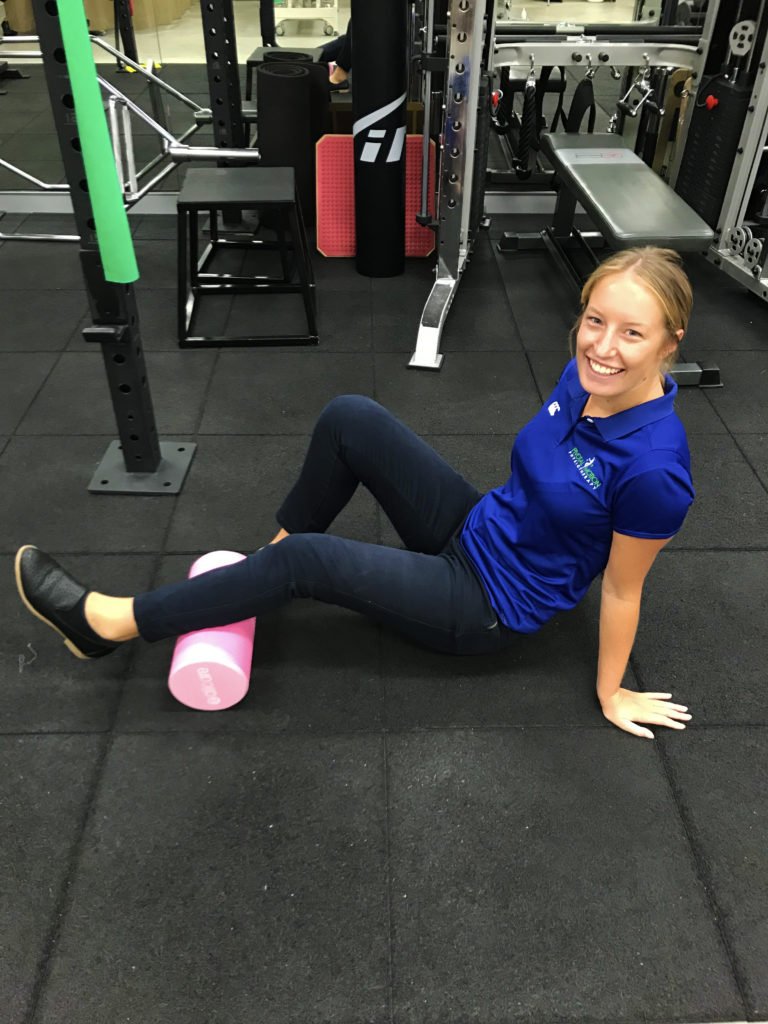
1) Foam Rolling or Self-Massage:
Both are fantastic tools to help facilitate this recovery period by relaxing muscles and maintaining ideal muscle lengths. They stimulate deep tissue, increase blood supply, and nutrition to these areas. This assists the healing process after the damage done during the gym session. Both foam rolling and self-massage are also great ways to stimulate the parasympathetic nervous system which helps you unwind and relax after a stressful session.
2) Stretching:
Stretching is also a great option. It helps restore some length back into muscles which might have some increased tension. By actively pulling the muscle through its full range of motion with prolonged lengthening, it allows the muscle to relax.
It can be hard to know what stretches and self-massage techniques to use for specific muscles and regions. So get in contact with a physio to help create a recovery plan and strategize the best way to maximize that recovery window, ensuring you keep pouring from a full cup!
Popular stretches:
If you would like to learn more about how to recover after the gym, or would like a personalised recovery program, book an appointment at Pivotal Motion Physiotherapy. With a wealth of knowledge and a friendly smile, they will happily get you back on track.